Own the Intelligence Your Organization Builds
Hyper Anthologies gives enterprise organizations permanent ownership of the recursive intelligence loop: the organizational model, the agent execution layer, the sovereign memory, and the interpretability that governs all four. One ecosystem. No vendor intermediary.
.jpg&w=3840&q=75)
Operational Intelligence Compounds in the Wrong Place
Enterprise software was built to automate workflows, not to learn from them. The SaaS stack your organization depends on captures the output of operational decisions without returning the intelligence from them. Data passes through vendor-operated infrastructure. Models are trained on signals your organization generates and hosted on architecture it does not control.
The result is structural: every quarter of AI-augmented operations makes your vendor's platform more intelligent. The organizational advantage you are funding accumulates outside the organization. When intelligence is the primary competitive asset, this is not a feature trade-off. It is an ownership problem.
The Platform You Know, Now the Foundation of an Ecosystem
The Hyper platform established the deterministic infrastructure architecture enterprises now deploy for AI-native operations: the 80/20 architecture separating governed execution from probabilistic inference, the organizational context layer that agents read from, the machine-native interface that eliminates integration fragmentation. That architecture is now Hyper Ontology.
Hyper Ontology is the first product in the Hyper Anthologies ecosystem and its semantic foundation. Organizations that have been building on Hyper have been building on Ontology. What the ecosystem adds is the three layers that close the loop: Pragma for agent execution inside the organizational boundary, Engram for sovereign memory and weight distillation, and Noesis for interpretability on the model Engram produces.
Four Products, One Loop, Total Ownership
- HYPER ONTOLOGY | MODEL
- HYPER PRAGMA | ACT
- HYPER ENGRAM | LEARN
- HYPER NOESIS | UNDERSTAND
HYPER ONTOLOGY | MODEL
The living semantic layer. Own the digital twin of your business: the deterministic, AI-assisted foundation that every agent and application in the ecosystem reads from and writes to. Built on the architecture the Hyper platform established.
Every Turn Stays Inside Your Organization
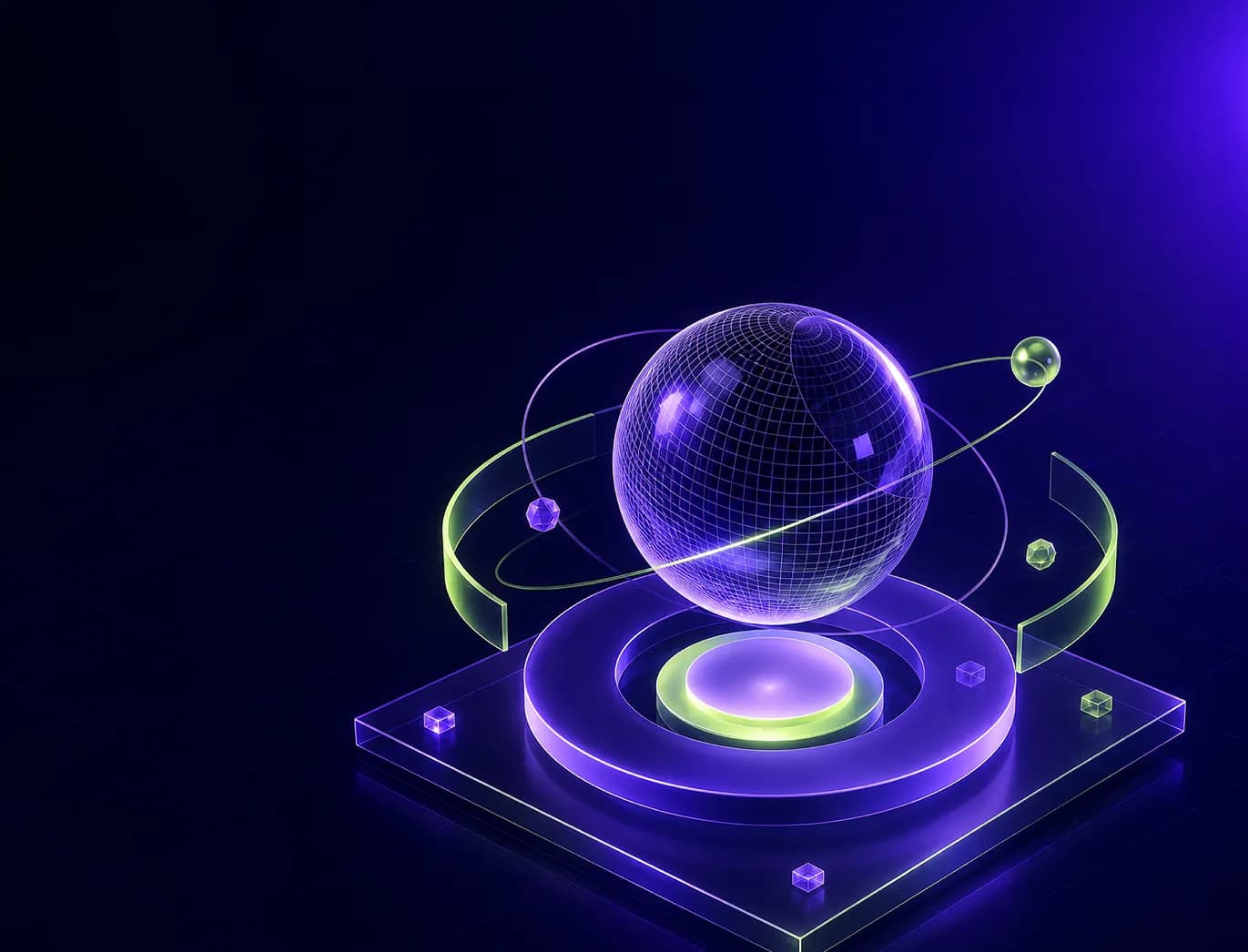
Ontology provides agents a coherent organizational model to act from. Pragma deploys agents that act inside your boundary. Engram captures agent decisions and distills them into owned weights. Noesis opens those weights, surfaces what the model judges with, and feeds findings back to Ontology. The loop refines itself continuously. The compounding is permanent and owned entirely by the enterprise.
Deployed by a Team of Forward Deployed Engineers
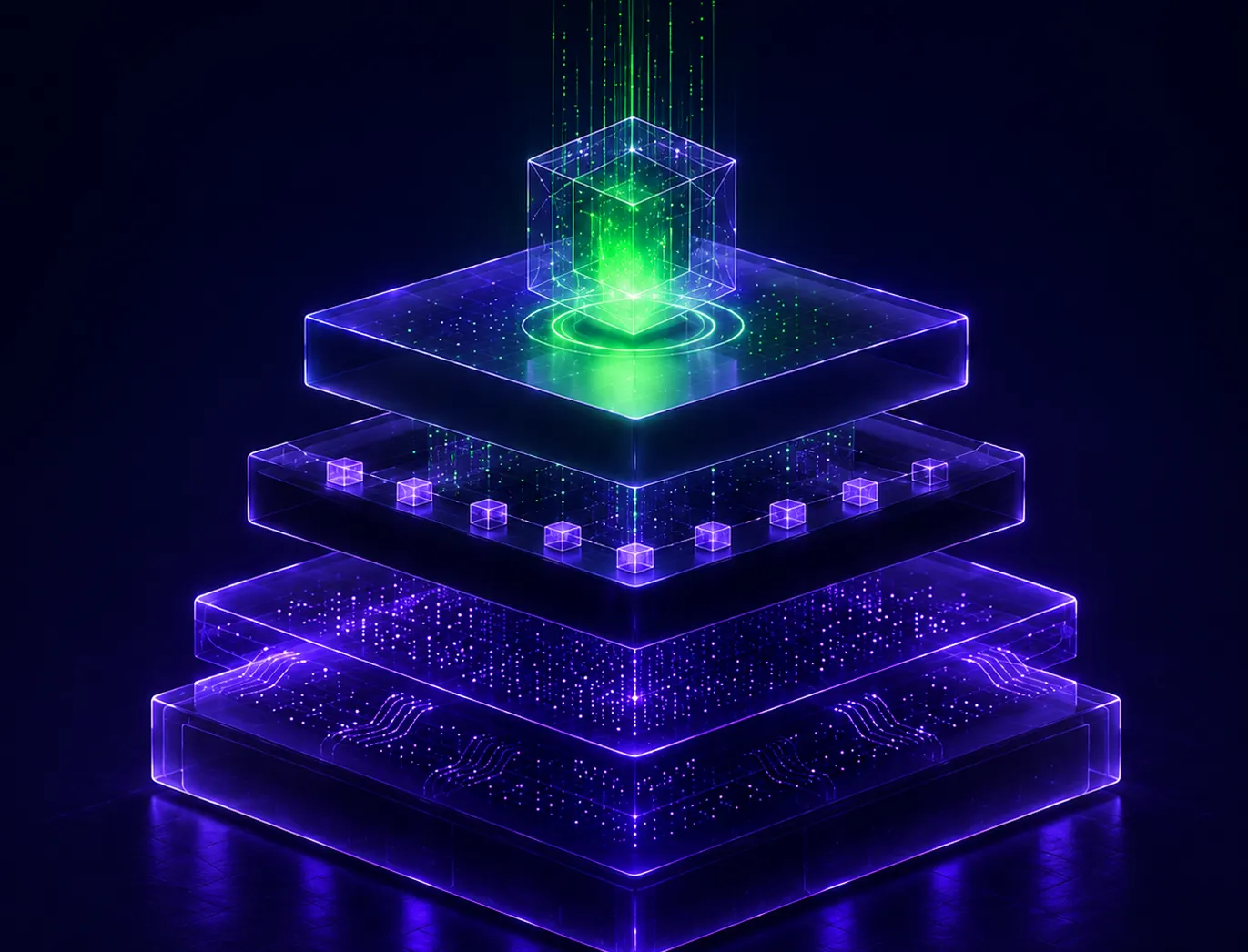
Hyper Anthologies are deployed by a team of Forward Deployed Engineers who embed inside your organization, build the loop on your infrastructure, and stay accountable for what it produces. The configuration of the loop, its ontology, agent routing, memory, and interpretability, is built by engineers who operate inside your environment. The loop must be configured for your specific operational context, and that cannot be done from outside it.
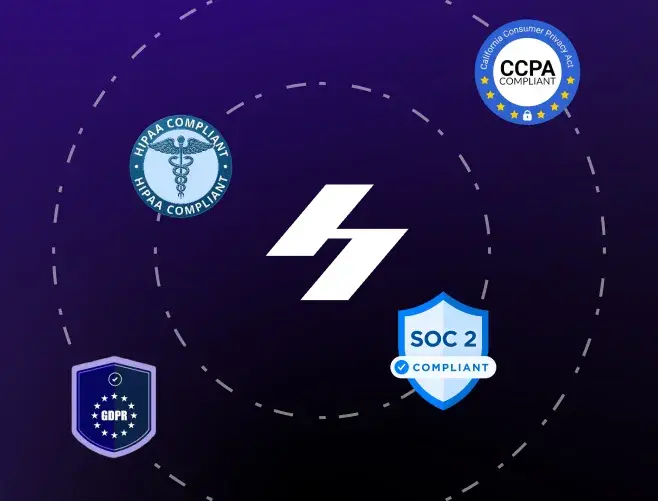
Enterprise Compliance Across the Full Stack
- SOC 2 Type II: Continuous audit trail from agent decision through weight distillation.
- GDPR: All organizational data remains within the agreed boundary. No training data exported.
- HIPAA: PHI handling and access controls configured for regulated deployments.
- CCPA: Data subject rights enforceable within the organizational infrastructure boundary.
- IP Sovereignty: Model weights distilled through Engram belong entirely to your organization.
Frequently Asked Questions
Hyper Live Demonstrations

16 September, 2026
How We Created a Reinforcement Learning Gym at CodeNinja
This is a live demonstration built on the Hyper Anthologies ecosystem, showing what a scored episode looks like end to end as agents operate inside your organization. It also gives you a practical benchmark for comparing where your own technology estate sits on this curve.
25 August, 2026
Verified Silicon from Plain English: Building a Chip Design Orchestrator
See how CodeNinja built a 13-agent chip design orchestrator on AWS that turns plain-English specs into verified RTL-to-GDSII outputs with deterministic gates.
24 August, 2026
Concrete Mixing is a Search Problem: How We Put Open-Source Bayesian Optimization to Work
Mix a new recipe today and you will not know its true strength for 28 days. We built a system that changes where the oracle sits.
23 August, 2026
From System Tables to Ontologies and Kinetics: Building Software That Agents Can Actually Operate
Most teams point AI agents at a pile of tables and hope it works. This is the layer we generate above your schema so agents reason over structured reality instead of a black box, and cannot do the wrong thing.